
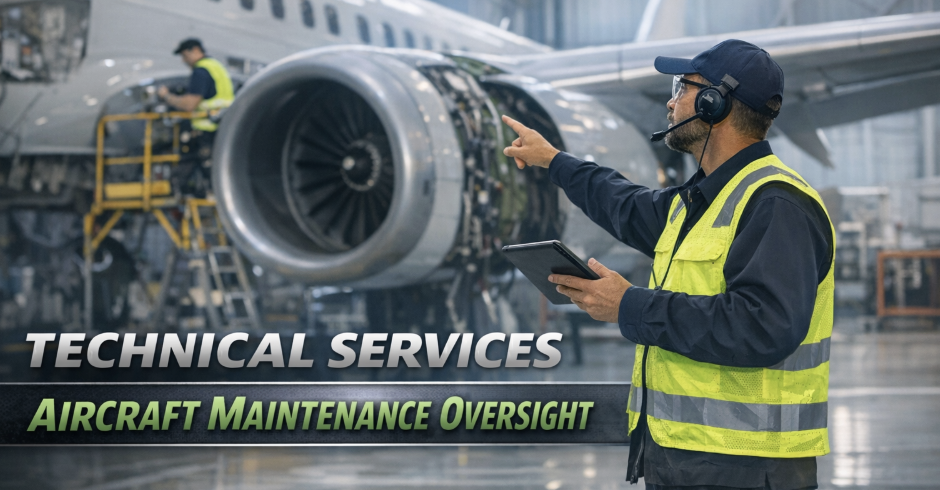
Aircraft maintenance is one of the most complex and tightly regulated aspects of aviation operations. Whether an aircraft is undergoing a routine heavy maintenance check, structural inspection, or modification program, the process involves coordination between multiple stakeholders including airlines, maintenance repair organizations (MROs), aircraft lessors, technical representatives, and regulatory authorities.
While MRO facilities perform the actual maintenance work, independent technical oversight ensures that the work is completed correctly, efficiently, and in full compliance with regulatory requirements and contractual obligations.
Aircraft maintenance oversight provides an additional layer of technical assurance during major maintenance events. It helps operators, owners, and lessors maintain aircraft value, prevent costly delays, and ensure that work is carried out according to approved procedures and documentation.
Independent technical services providers such as Air Viper, LLC support airlines, asset owners, and lessors by monitoring maintenance activities, verifying compliance, and helping coordinate complex maintenance projects.
What a Technical Representative Does During Aircraft Heavy Maintenance
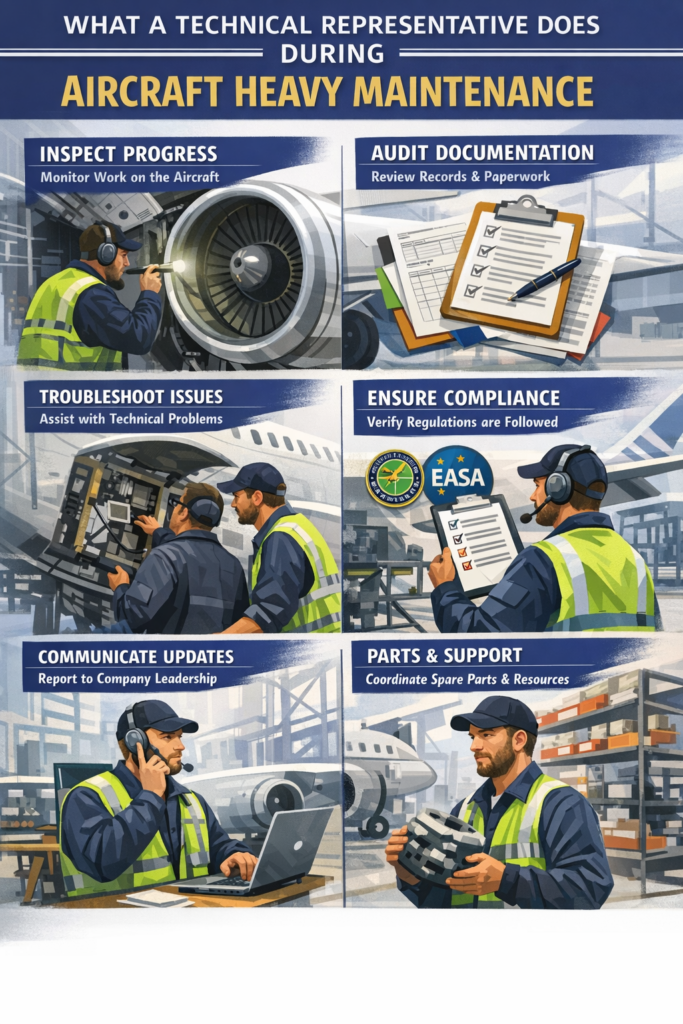
Aircraft heavy maintenance checks — such as C-checks and structural inspections — are extensive maintenance events that can keep an aircraft out of service for several weeks.
During these checks, a technical representative acts as the on-site technical liaison between the aircraft owner or operator and the MRO facility performing the work.
Key Responsibilities During Heavy Maintenance
A technical representative typically performs several important oversight functions:
- Monitoring maintenance progress
- Reviewing inspection findings
- Verifying work scope execution
- Coordinating engineering decisions
- Ensuring compliance with maintenance programs
- Reporting status updates to stakeholders
This oversight role helps ensure that the maintenance program remains aligned with the aircraft operator’s requirements and contractual obligations.
Acting as the Owner’s Eyes and Ears
For aircraft owners and lessors, technical representatives provide critical visibility into the maintenance process.
They review findings as they occur, monitor how the MRO addresses discrepancies, and help verify that repairs and inspections follow approved engineering data and regulatory standards.
Companies such as Air Viper, LLC provide experienced technical representatives who support heavy maintenance events by acting as an independent technical presence throughout the maintenance process.
How Airlines Monitor Third-Party MRO Maintenance Checks
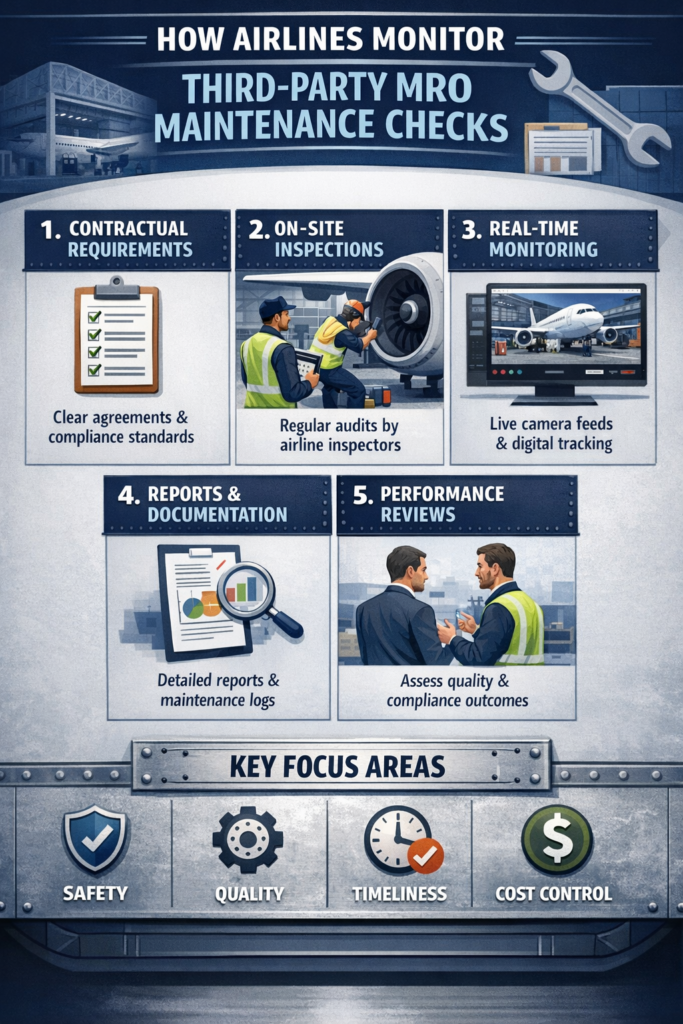
Many airlines outsource heavy maintenance to third-party MRO providers located around the world. While outsourcing offers operational and cost advantages, it also introduces the need for careful oversight.
Airlines must ensure that maintenance providers meet regulatory requirements and follow approved maintenance programs.
Oversight Mechanisms Used by Airlines
Airlines typically monitor third-party MRO maintenance using several methods:
- On-site technical representatives
- Maintenance progress reporting systems
- Quality assurance audits
- Work scope verification
- Engineering review of findings
- Maintenance records monitoring
These oversight practices help ensure that work performed by external maintenance providers meets airline operational standards.
Maintaining Visibility During Outsourced Maintenance
Without proper oversight, unexpected findings or scope changes during maintenance can create delays, budget overruns, and operational disruptions.
Technical services firms like Air Viper, LLC help airlines maintain operational visibility by monitoring maintenance progress and providing detailed reporting throughout the maintenance event.
Aircraft C-Check Oversight: What Lessors and Owners Expect
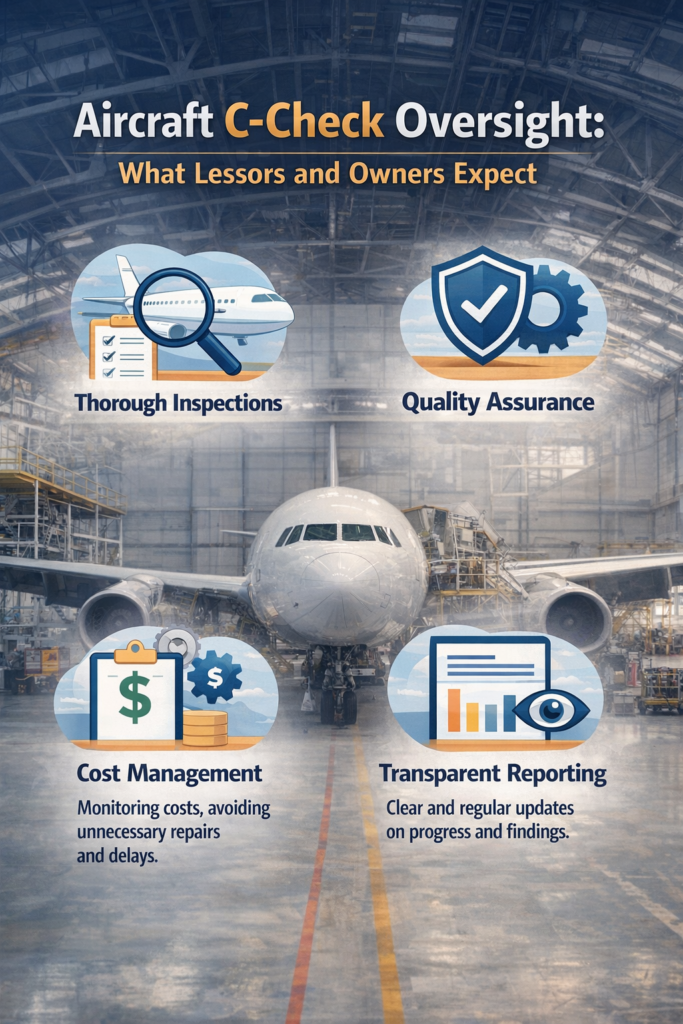
A C-check is one of the most significant routine maintenance events in an aircraft’s lifecycle. These checks involve detailed inspections of aircraft systems, structures, and components.
Because C-checks can significantly affect aircraft value and airworthiness status, aircraft owners and lessors often require independent oversight during these maintenance events.
Why Lessors Monitor Major Maintenance Events
Aircraft lessors are responsible for protecting the long-term value of their assets. Oversight during major maintenance helps ensure that the aircraft:
- Maintains its maintenance status
- Meets lease agreement requirements
- Complies with airworthiness directives
- Maintains accurate technical records
- Receives approved repairs when necessary
If issues arise during maintenance, early detection allows stakeholders to coordinate corrective actions before the aircraft returns to service.
Independent Oversight Protects Asset Value
Independent technical representatives provide an unbiased review of maintenance work and findings.
Service providers such as Air Viper, LLC support aircraft owners and lessors by monitoring C-checks and helping ensure that maintenance work is documented properly and performed according to regulatory and contractual standards.
Why Maintenance Check Oversight Protects Aircraft Value
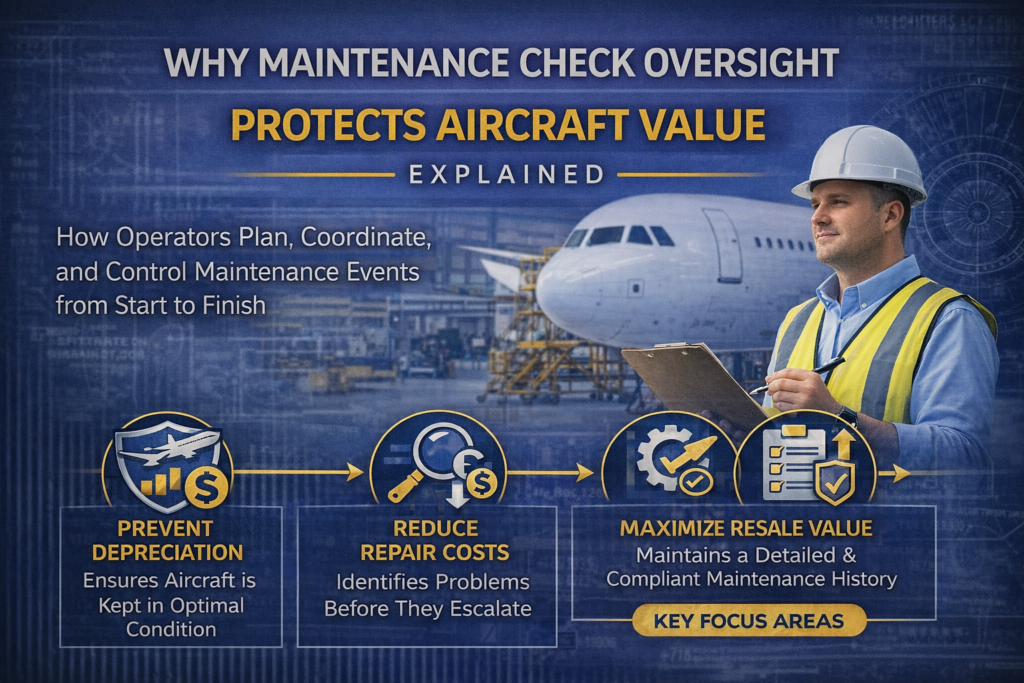
Aircraft represent significant financial assets. The value of an aircraft is heavily influenced by its maintenance condition, documentation quality, and regulatory compliance status.
Maintenance oversight plays a critical role in protecting this value.
Preventing Maintenance-Related Value Loss
Poorly executed maintenance can create long-term issues such as:
- Incomplete documentation
- Incorrect repairs
- Unresolved structural discrepancies
- Component tracking errors
- Maintenance program deviations
These issues can reduce the aircraft’s resale value or complicate lease transitions.
Ensuring Accurate Records and Compliance
Technical oversight helps ensure that maintenance records accurately reflect the work performed. Accurate records are essential for future maintenance planning, regulatory compliance, and aircraft transactions.
Through maintenance monitoring and reporting, organizations such as Air Viper, LLC assist operators and asset owners in maintaining the technical integrity of their aircraft.
Aircraft Maintenance Project Management Explained
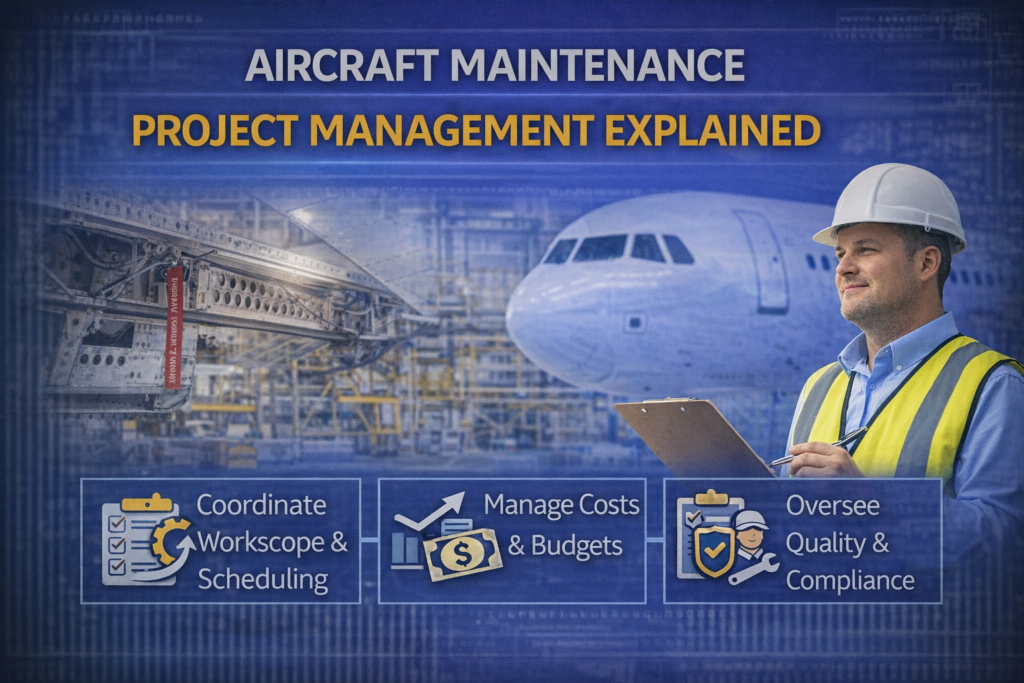
Large maintenance events involve hundreds or even thousands of individual maintenance tasks. Coordinating these tasks requires careful project management and technical coordination.
Aircraft maintenance project management ensures that work progresses efficiently while meeting operational timelines.
Key Elements of Maintenance Project Management
Effective maintenance project management typically includes:
- Work scope planning
- Task scheduling and tracking
- Engineering coordination
- Vendor communication
- Cost monitoring
- Technical reporting
Project managers and technical representatives work together to ensure that all maintenance activities remain aligned with the planned work scope.
Coordinating Complex Maintenance Events
Unexpected findings during maintenance can require engineering evaluation, parts sourcing, or structural repair planning.
Technical oversight teams — including providers like Air Viper, LLC — help coordinate these responses so that maintenance work proceeds efficiently and safely.
Technical Oversight During Aircraft Structural Inspections
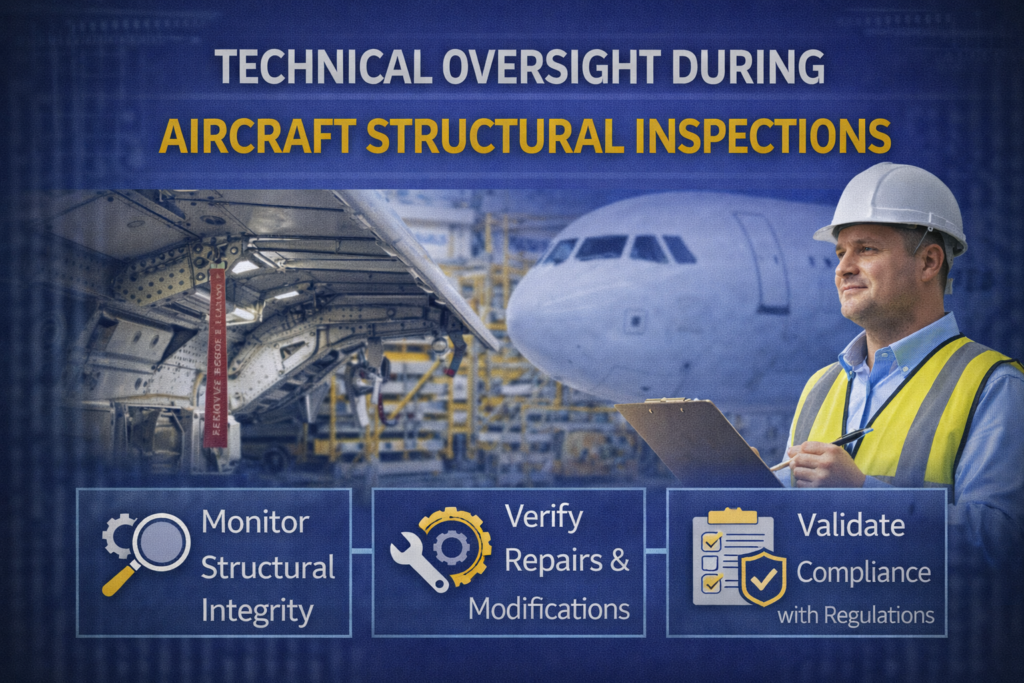
Structural inspections are critical maintenance activities designed to detect fatigue, corrosion, and structural damage in aircraft components.
These inspections are often part of heavy maintenance checks or special inspection programs.
Types of Structural Inspections
Aircraft structural inspections may include:
- Detailed visual inspections
- Non-destructive testing (NDT)
- Corrosion detection
- Crack inspections
- Structural component assessments
Because structural findings can require complex repairs, technical oversight ensures that inspection results are properly evaluated.
Managing Structural Findings
If structural damage is discovered, engineering teams must determine the appropriate repair procedures using approved maintenance data.
Technical representatives help coordinate the review of inspection results and verify that repairs follow approved engineering documentation.
Organizations such as Air Viper, LLC assist with monitoring structural inspection programs and supporting coordination between maintenance teams and engineering departments.
How Maintenance Oversight Prevents Costly Surprises
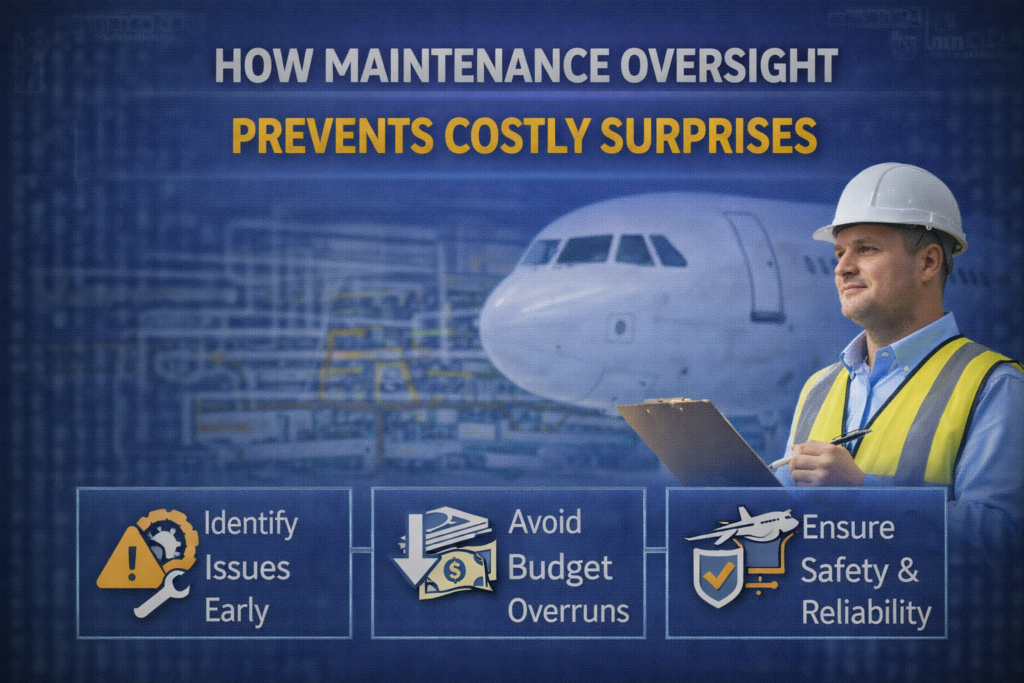
One of the biggest risks during aircraft maintenance events is the discovery of unexpected issues that can lead to schedule delays and cost increases.
Technical oversight helps identify these issues early.
Early Detection of Maintenance Findings
By reviewing inspection results and maintenance progress in real time, technical representatives can quickly identify emerging issues such as:
- Unexpected structural findings
- Additional component replacements
- Documentation discrepancies
- Engineering approval requirements
Early identification allows stakeholders to make informed decisions about repair strategies and maintenance timelines.
Improving Maintenance Transparency
Maintenance oversight also improves transparency between the airline, MRO, and aircraft owner.
Technical reporting and progress monitoring help ensure that all parties have a clear understanding of maintenance status throughout the maintenance event.
Companies such as Air Viper, LLC provide oversight services that help reduce uncertainty and improve coordination during complex maintenance checks.
Monitoring Aircraft Maintenance Workscopes
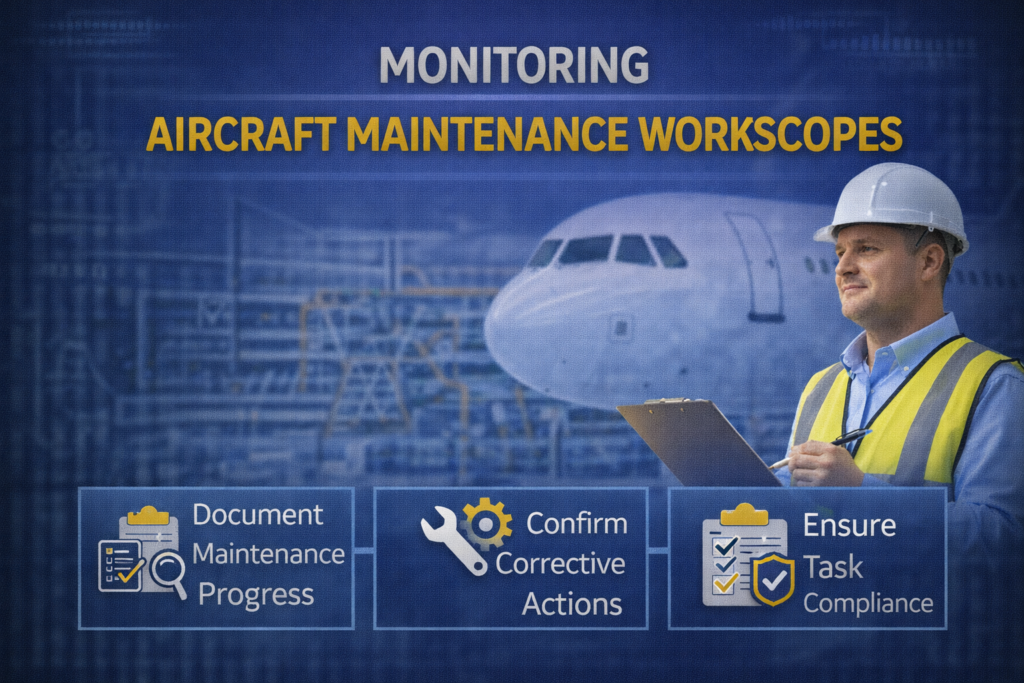
Every aircraft maintenance event begins with a defined work scope — a list of maintenance tasks, inspections, and repairs scheduled to be completed during the maintenance visit.
Monitoring the work scope is essential to ensure that all required tasks are completed correctly.
Work Scope Monitoring Responsibilities
Technical representatives typically monitor:
- Scheduled inspection tasks
- Mandatory maintenance requirements
- Airworthiness directives
- Service bulletin compliance
- Component replacement requirements
Monitoring ensures that the maintenance visit addresses all required work items.
Managing Scope Changes
During maintenance, additional work may be added to the original scope based on inspection findings.
Technical oversight helps track these scope changes and ensures that any new work is properly documented and approved.
Service providers such as Air Viper, LLC support airlines and asset owners by monitoring work scope progress and ensuring maintenance activities remain aligned with program requirements.
Aircraft Maintenance Compliance Verification
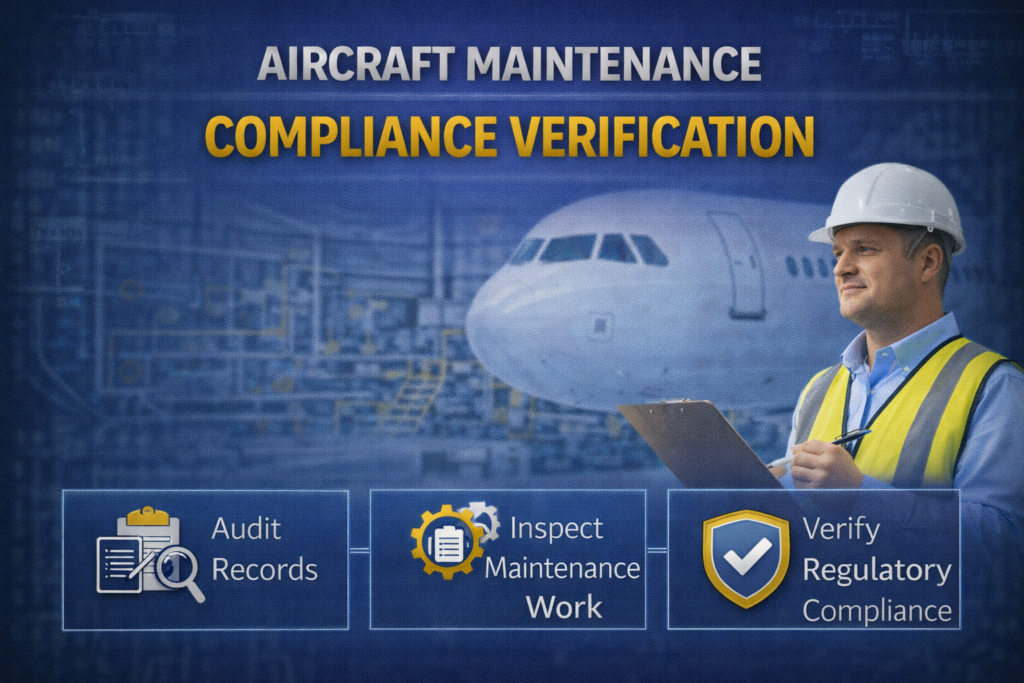
Aircraft maintenance must comply with multiple layers of regulatory and operational requirements.
These include:
- Approved maintenance programs
- Regulatory authority requirements
- Airworthiness directives
- Manufacturer service bulletins
- Operator engineering standards
Compliance verification is a critical part of maintenance oversight.
Reviewing Maintenance Documentation
Technical representatives review maintenance documentation to confirm that:
- Required tasks were completed
- Maintenance procedures followed approved data
- Documentation accurately reflects work performed
- Compliance with regulatory requirements is properly recorded
Accurate documentation ensures that the aircraft can return to service with a clear maintenance status.
Supporting Regulatory Compliance
Maintenance oversight also helps operators maintain compliance with aviation regulatory authorities.
Technical services organizations such as Air Viper, LLC support this process by monitoring maintenance activities and assisting with documentation review.
The Role of Independent Technical Representatives in Aircraft Maintenance
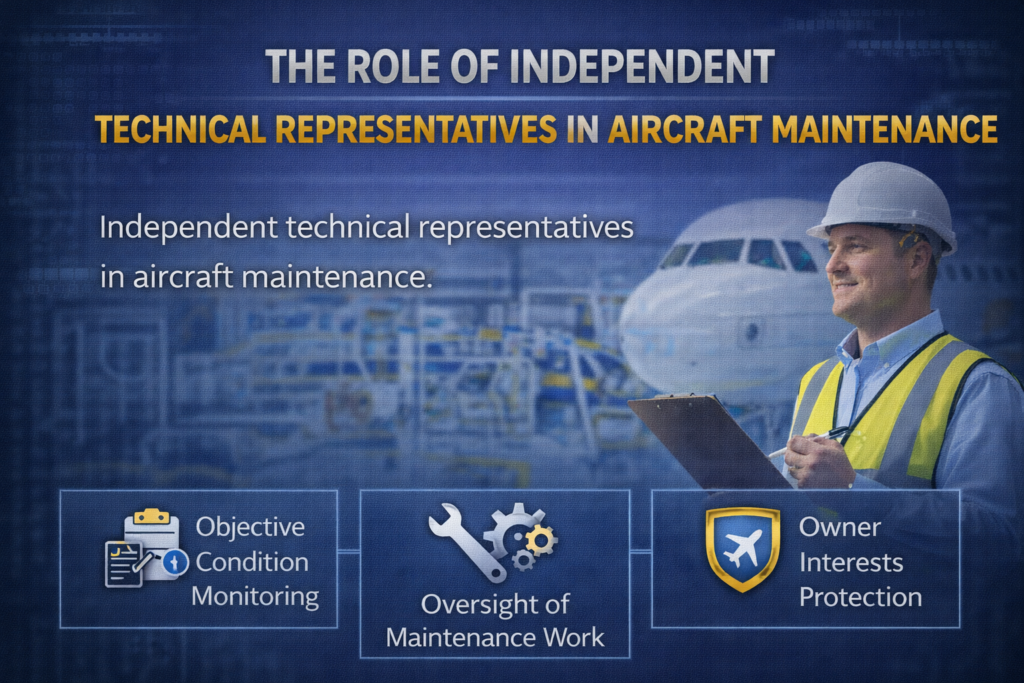
Independent technical representatives play a vital role in complex aircraft maintenance events.
They provide an unbiased technical presence that helps ensure maintenance work is completed according to industry standards and contractual obligations.
Why Independent Oversight Matters
Independent technical representatives provide several key benefits:
- Objective review of maintenance work
- Improved communication between stakeholders
- Early identification of potential issues
- Verification of maintenance compliance
- Protection of aircraft asset value
These professionals often have extensive experience in aircraft maintenance, engineering, and regulatory compliance.
Supporting Airlines, Lessors, and Owners
Independent technical oversight services support multiple stakeholders in the aviation industry, including:
- Airlines
- Aircraft leasing companies
- Financial institutions
- Aircraft owners
- Asset managers
Technical services providers such as Air Viper, LLC assist these organizations by monitoring maintenance activities, supporting project coordination, and helping ensure that aircraft maintenance events are completed according to established requirements.
Aircraft maintenance oversight plays a critical role in ensuring that heavy maintenance checks, structural inspections, and repair programs are completed correctly and efficiently.
Through independent monitoring, compliance verification, and project coordination, technical oversight helps airlines, aircraft owners, and lessors maintain operational safety, regulatory compliance, and aircraft asset value.
Organizations such as Air Viper, LLC provide technical services that support these maintenance oversight activities, helping stakeholders maintain visibility and coordination throughout complex aircraft maintenance events.
Contact Air Viper, LLC
Air Viper, LLC provides independent aircraft technical representation, maintenance oversight, aircraft records support, and lease transition services for aircraft owners, operators, and leasing companies. We help ensure aircraft maintenance events, inspections, and technical projects are completed correctly while protecting the long-term value of the asset.
To discuss your aircraft project, contact our team:
Phone: +1 (918) -524-9380
Email: [email protected]
Air Viper, LLC’s Founder

Forrest Ludwig is a dynamic entrepreneur with a passion for aviation parts supply, customer service, and business innovation. With a keen eye for efficiency and precision, he has dedicated his career to connecting operators, MROs, and aviation professionals with the right parts at the right time—minimizing downtime and maximizing operational success.
A true believer in customer-first solutions, Forrest has built a reputation for delivering exceptional service, transparency, and reliability in the aviation industry. His expertise spans aviation parts sourcing, logistics, supply chain optimization, and aircraft sales & leasing, ensuring clients receive cost-effective and high-quality solutions tailored to their needs.
With a forward-thinking approach and a commitment to excellence, Forrest continues to revolutionize aviation parts supply by streamlining processes, enhancing customer experience, and creating innovative solutions for a rapidly evolving industry.
Passionate about aviation. Dedicated to service. Committed to keeping fleets in the air.
Learn More About The Rest Of Our Team!
Why Airlines, Lessors, and MROs Choose Air Viper, LLC
Air Viper, LLC provides aviation parts sourcing, aircraft inspection services, and aircraft transaction support for operators worldwide. Customers work with Air Viper, LLC because the company focuses on efficiency, reliability, and industry expertise.
1. Global Aircraft Parts Sourcing
Air Viper, LLC helps operators locate aircraft components through an international supplier network, including hard-to-find parts.
2. Efficient Direct Shipping
Components can be shipped directly to customers using their preferred courier, reducing handling time and delivery delays.
3. Access to Critical Aircraft Components
Air Viper, LLC assists with sourcing major components such as aircraft engines, auxiliary power units (APUs), and landing gear.
4. Global Supplier Network
Through relationships with aviation suppliers worldwide, Air Viper, LLC helps customers access inventory across multiple markets.
5. Aircraft and Engine Inspection Services
Air Viper, LLC provides on-site aircraft and engine inspection support for aircraft purchases, lease transitions, and technical evaluations.
6. Aircraft Sales and Leasing Support
Air Viper, LLC connects buyers, sellers, and lessors to help facilitate aircraft sales and leasing opportunities.
7. Aviation Logistics Coordination
Air Viper, LLC helps coordinate the logistics of aircraft components, simplifying the procurement and delivery process.
8. Aviation Industry Experience
With experience in aviation parts sourcing, logistics, and aircraft inspections, Air Viper, LLC understands the operational needs of airlines, lessors, and maintenance organizations.
9. Faster Response for Time-Sensitive Needs
When aircraft operators need parts or inspection support quickly, Air Viper, LLC focuses on providing efficient responses and sourcing solutions.
10. Supporting Aircraft Operations Worldwide
Air Viper, LLC works with aviation operators around the world to help support safe and efficient aircraft operations.